
Uncovering Hidden Vulnerabilities: What Facility Assessments Reveal
/Many organizations express confidence in their existing security programs. However, during on‑site facility assessments, the Safeguards Consulting team consistently uncovers operational and technical vulnerabilities that have emerged quietly over time. These issues rarely originate from a single point of failure. Instead, they develop gradually through overlooked details, aging infrastructure, and procedures that no longer align with current facility operations.
As a physical security design and consulting firm, we support clients across security, life safety, communications, and network infrastructure systems. This multidisciplinary expertise allows us to evaluate facilities comprehensively and identify risks that can be missed when systems are reviewed independently.
Below are some of the most common gaps we identify during assessments.
Unsecured or Overlooked Access Points
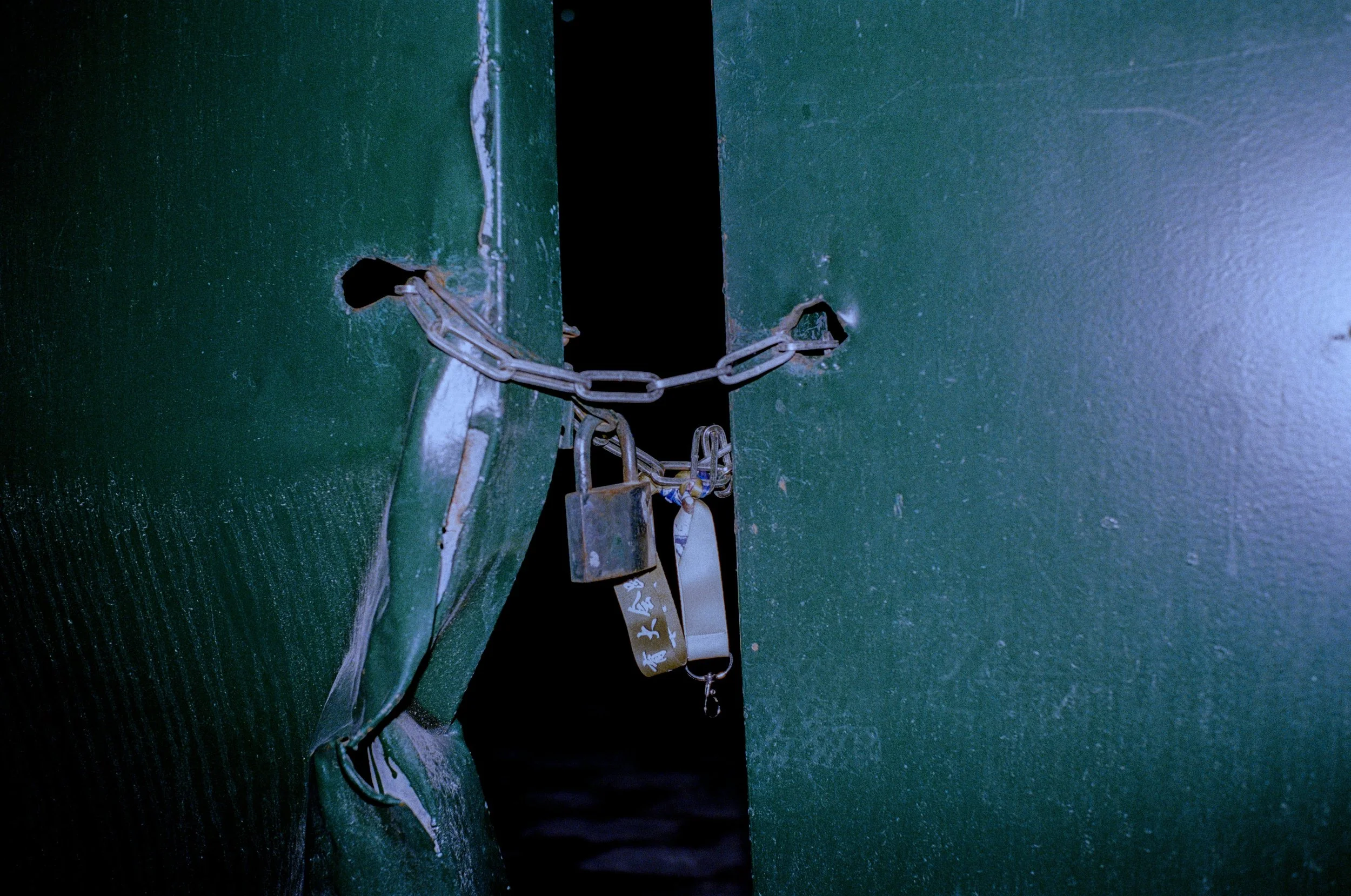
Secondary and back‑of‑house access points, loading docks, mechanical rooms, service corridors, and stairwells are among the most frequently under‑controlled areas in a facility. These spaces often:
Fall outside standard patrol routes
Rely on inconsistent or informal locking practices
Lack of dedicated or reliable surveillance coverage
Serve multiple departments without centralized oversight
Because these entrances support operational functions rather than public circulation, they often become unintentional vulnerabilities for unauthorized access.
Outdated or Inconsistent Door Hardware
Door hardware may appear to function normally while still failing to meet modern security or life‑safety expectations. Common issues include:
Mismatched or incompatible components
Hardware not rated for current occupancy types or threat levels
Components unable to integrate with modern credentialing or access control systems
Wear that reduces durability and resistance
Even minor inconsistencies can compromise an otherwise well‑designed security program.
Poor Credential and Access Control Hygiene
Access control systems frequently accumulate outdated or inaccurate data over time. Typical findings during assessments include:
Active badges belonging to former employees or contractors
Inconsistent or outdated role‑based access assignments
Credentials that have not been used—or audited—for extended periods
Users with permissions that exceed actual job requirements
These issues contribute to “access creep,” increasing exposure and reducing the effectiveness of access governance.
Aging or Under‑Maintained Security Devices
Cameras, sensors, and access control components often remain in operation long past their intended lifecycle. As equipment ages, performance degrades, leading to:
Reduced image quality
Unreliable detection or reporting
Unnoticed system outages
Gaps in surveillance or alarm coverage
Deferred maintenance and the absence of formal replacement cycles frequently result in blind spots that are not identified until an incident occurs.
Emergency Plans Misaligned with Current Operations
Facilities evolve continuously, floor plans change, departments relocate, and staffing levels fluctuate. Emergency procedures, however, often remain unchanged for years. During assessments, we commonly encounter:
Evacuation maps that no longer reflect current layouts
Outdated contact lists and response roles
Procedures misaligned with actual workflows
Plans that have not undergone recent reviews or drills
These gaps can hinder response efforts and increase confusion during emergencies.
Strengthening Security Through Proactive Assessment
The vulnerabilities described above are common and preventable. With proactive planning, updated procedures, and integrated system design, organizations can significantly strengthen their overall security and life‑safety posture.
Safeguards Consulting, Inc. is committed to serving as a trusted advisor to organizations seeking to modernize and optimize their critical facility systems. Our team brings multidisciplinary expertise, objective analysis, and a comprehensive approach to identifying and mitigating risk.
If your facility has not had a recent assessment, our team is here to help. Identifying vulnerabilities early is the most effective way to maintain a resilient and reliable security program.
To contact us, visit:
Contact — Safeguards Consulting, Inc.
Author: Harris Rowe, Marketing and Design Operations Specialist
at Safeguards Consulting, Inc.